
To say the last few years have been odd is a gross understatement. There are so many things happening domestically and globally that we haven’t seen before; we will spare you the exercise of naming them all. For us, the most relevant and pressing issues for our customers and prospects are the radical shift in buying that the Work from Home (WFH) environment has created and talk of economic headwinds.

So, what have you done about it? As a sales or commercial leader, you’re doing your best to keep your team focused. Sellers and other front-line employees in customer-facing roles (CFRs) (which include sales, marketing, technical specialists, product development, customer service, project managers, etc.) are working to get the attention of prospects and keep the momentum for deals that used to move through reasonably quickly.

The new buying behavior can be fragmented and frustrating for both buyers and sellers. And one of the conduits to it all is virtual selling which relies on your ability to navigate relevant technology platforms like Zoom, TEAMS, GoTo Meeting, Google Hangouts, etc. The word we have received from buyers and sellers is that it’s still a mixed bag of good and bad on how well the technology is being understood and used. The meetings that you’re conducting with your internal teams are often the same—some attendees are plugged in and ready, while others need to ramp up their participation and stop multitasking during calls.

Our Virtual Selling Effectiveness (VSE) workshop is designed to help improve the use of technology to connect in the scenarios described above, as well as others. There are several things that hosts and attendees can do before, during, and after the meetings to increase the overall effectiveness. How well you and your teams are able to manage this new (ab)normal is a large factor in your overall success.

The ability to embrace and utilize virtual communication is here to stay, regardless of when we are fully back in our offices huddling around water coolers again. Now’s your opportunity to take the time to make sure you and your team get this right.


On a recent flight in a small propeller plane during a Costa Rican thunderstorm, I was reminded of the importance of training. The pilots faced torrential rain, zero visibility, and lightning. They didn’t stop to pull out a manual on “what to do when a storm pops up from nowhere.” Surrounded by red on the radar screen, they relied on their preparation, instincts, and practice to adjust in real time.

How well can your sellers navigate their own storms? Difficult buyers and complex situations will always “pop up,” and in those moments, your team won’t have time to flip through a playbook. They’ll rely on the skills built through training, practice, and time with a qualified Coach. Below are recommendations we help you put in place to make sure they’re ready.

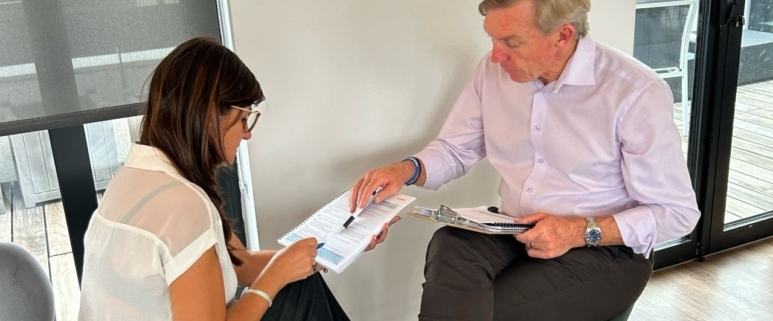
Establishing the right environment for coaching is as important as the actual coaching exercise. In my early sales career, some of the best information I received from my sales managers came after hours in ad hoc conversations on how to best position an opportunity or attack the competition, which helped me establish winning behaviors and habits.

Sales Manager Responsibilities

Sales managers have many responsibilities. Although the buyer/seller engagement gets most of the attention, the second most important relationship is between the seller and his or her manager. Do the sales management behaviors you have in place put you in the back or front position in line? Are you proactively leading from the front of the line, or trying to push your team from the back?  Which position would be the most advantageous for you and your team?

In many organizations, sales managers take pride in the fact that they are “behind” their team.  They take pride in being available whenever they are needed to come in and close a deal, discuss what went wrong after a loss, and check-in on progress throughout the sales cycle. These are examples of pushing from the back of the line. However, being at the front of the line is much more beneficial to both managers and their direct reports. How do you ensure you’re leading from the front of the line? Consider these four must-dos:

1. Manage Expectations – This concept is the polar opposite of figuring out what went wrong after losing a sale. Clearly defined sales process expectations are valuable in winning a sale. Ken Blanchard, author of the “One Minute Manager” makes the following statement: “As a manager, I’ve found that people are amazingly good at meeting my expectations, but only when they understand exactly what those expectations are.” If you set clear expectations for your team at every stage of the sales cycle, they are more likely to plan ahead to achieve a more productive sales engagement, increasing the probability of a win.

2. Review and Plan – This is where accountability comes in. A verbal summary of a conversation between a sales representative and a prospect is only subjective without customer validation. Require a consistent follow up to each sales call which includes a brief written summary of the conversations and clear agreed upon “next steps.” Schedule weekly performance assessments with each member of your team to encourage skill attainment and to address skill deficits.

3.  Coach and Confirm – Once skill deficits are uncovered, use the following tips for leading a coaching session:

  • Be honest, open, respectful
  • Give feedback in private (praise in public)
  • Review expectations
  • Be specific about deficit components
  • Ask for their perspective on deficit and possible causes
  • Ask for their ideas for skill fulfillment
  • Be prepared with some suggestions
  • Determine clear next steps and follow-up

4. Reinforce – Make sure your selling behavior is something worth emulating for all of those in line behind you. Remember the child’s game of “Follow-the-Leader”?  Management behavior will reinforce habits that are good or bad. As you lead, they will follow.

Get behind your sales team by doing an “about-face” and leading from the front of the line. Manage expectations, review and plan, coach and confirm, and then reinforce.

Every professional role requires initial and ongoing training. Doctors and lawyers have to renew their licenses annually. I am certainly glad the pilots we had were trained. How prepared are your sellers for buying gauntlets? Click on the video to hear more.

Travel has always been a core part of my life. The excitement, mystery, hassle, fun, and occasional confusion it brings fuels my creativity, propels me toward the next destination, and makes returning to my home in San Diego even more special.

As one of my favorite storyteller, writer, and chef Anthony Bourdain once said:

“Travel is about the gorgeous feeling of teetering in the unknown.”

My friend John Spence knows this feeling well. With more than 30 years in the travel industry, John and his wife, Emma, have crafted experiences for travelers across the globe. Over the past decade, they built their own successful agency, sold it to a larger firm, spent several years within that organization, and then took a well-earned sabbatical. They went traveling, of course.

Now, they’re back and have launched The Spence Connection (TSC). Their approach is simple but powerful: assemble the very best talent, resources, and experiences from across the industry to create a cohesive, custom travel plan for each client. Because they’re not bound to a single company’s offerings, they have the flexibility to hand-pick the right experts and services for your exact itinerary.

To get a feel for the kind of travelers they serve, I recommend reading John’s recent article:
The Power of Planning Your Five-Year Travel Plan

If these services spark your interest, let me know. I’m working with John to create travel memories for my family and for the customers we serve in our core business.

August 12, 2025

Establishing the right environment for coaching is as important as the actual coaching exercise. In my early sales career, some of the best information I received from my sales managers came after hours in ad hoc conversations on how to best position an opportunity or attack the competition, which helped me establish winning behaviors and habits.

Sales Manager Responsibilities

Sales managers have many responsibilities. Although the buyer/seller engagement gets most of the attention, the second most important relationship is between the seller and his or her manager. Do the sales management behaviors you have in place put you in the back or front position in line? Are you proactively leading from the front of the line, or trying to push your team from the back?  Which position would be the most advantageous for you and your team?

In many organizations, sales managers take pride in the fact that they are “behind” their team.  They take pride in being available whenever they are needed to come in and close a deal, discuss what went wrong after a loss, and check-in on progress throughout the sales cycle. These are examples of pushing from the back of the line. However, being at the front of the line is much more beneficial to both managers and their direct reports. How do you ensure you’re leading from the front of the line? Consider these four must-dos:

1. Manage Expectations – This concept is the polar opposite of figuring out what went wrong after losing a sale. Clearly defined sales process expectations are valuable in winning a sale. Ken Blanchard, author of the “One Minute Manager” makes the following statement: “As a manager, I’ve found that people are amazingly good at meeting my expectations, but only when they understand exactly what those expectations are.” If you set clear expectations for your team at every stage of the sales cycle, they are more likely to plan ahead to achieve a more productive sales engagement, increasing the probability of a win.

2. Review and Plan – This is where accountability comes in. A verbal summary of a conversation between a sales representative and a prospect is only subjective without customer validation. Require a consistent follow up to each sales call which includes a brief written summary of the conversations and clear agreed upon “next steps.” Schedule weekly performance assessments with each member of your team to encourage skill attainment and to address skill deficits.

3.  Coach and Confirm – Once skill deficits are uncovered, use the following tips for leading a coaching session:

  • Be honest, open, respectful
  • Give feedback in private (praise in public)
  • Review expectations
  • Be specific about deficit components
  • Ask for their perspective on deficit and possible causes
  • Ask for their ideas for skill fulfillment
  • Be prepared with some suggestions
  • Determine clear next steps and follow-up

4. Reinforce – Make sure your selling behavior is something worth emulating for all of those in line behind you. Remember the child’s game of “Follow-the-Leader”?  Management behavior will reinforce habits that are good or bad. As you lead, they will follow. 

Get behind your sales team by doing an “about-face” and leading from the front of the line. Manage expectations, review and plan, coach and confirm, and then reinforce.